Babysitting Swap: Trading Evenings With Another Family
A babysitting swap trades free evenings with another family. How to set the rules, keep an hours ledger, and run another child's bedtime exactly as written.
In this post
A babysitting swap is an arrangement where two families take turns watching each other’s children, so each couple gets an evening out without paying a sitter. To make one work, pick a family with kids close in age and bedtimes, agree the rules before the first swap, and keep a simple ledger in hours so nobody feels they owe or are owed. The part that decides whether you swap a second time is bedtime. The sitting parent runs the other child’s routine exactly as that family wrote it, not their own version. Start with one short evening, then settle into a standing rhythm, such as one evening each a month.
Why a swap fits a one-income family
On one income, a date night with a paid sitter is two costs at once: the evening and the hourly rate. A swap removes the second one. You pay in your own time instead.
It also solves the trust problem: the person putting your child to bed is another parent who knows what a toddler’s 7pm looks like.
Finding the right family
The best swap partner is usually a friendship you already have, which is why the work in making mom friends when you’re home all day pays off here. The standing-week friend from storytime or the street is ideal. Before you suggest it, check four things:
- Distance. Ten minutes or less. A swap that needs a long drive at bedtime won’t last.
- Ages and bedtimes. Children within a couple of years of each other, with bedtimes within half an hour or so. Two very different evening schedules mean one family always gets the harder shift.
- House rules that roughly match. Screens, snacks, whether a toddler can come downstairs after lights-out. You don’t need identical rules, but you need to be able to follow theirs without feeling uneasy.
- The same appetite for it. If you want to go out monthly and they want to go out every Friday, the ledger will tilt fast.
Agree the rules before the first swap
Have one honest conversation up front, ideally written down in a shared note, so nobody has to raise an awkward point later:
- Whose house. For bedtime swaps, the easiest version is that the sitting parent goes to the other family’s house after their own kids are down and the other partner is home with them. The children sleep in their own beds and nobody moves a sleeping child at 10pm. The alternative is kids coming to you, which works best for an early evening before bedtime.
- An hours ledger, not favors. Count in hours. A 6pm to 10pm evening is four hours, and you’re square when the totals match. Favors feel generous until one family quietly feels used.
- The sick rule. A child with a fever or a stomach bug cancels the swap, no guilt. Agree this in advance so nobody has to decide it at 5pm.
- Cancellations. Give a day’s notice when you can, and the hours roll over rather than disappear.
- The information sheet. Allergies, any medicine and when it’s given, the pediatrician’s number, both parents’ phones, where the first-aid supplies are, and when to call. Leave it on the counter every time, even after the tenth swap.
- When the parents come home. A fixed latest time. The sitting parent has their own early morning too.
Running someone else’s child’s bedtime
This is where swaps either become a standing rhythm or quietly stop. Children can cope with a different adult at bedtime. What unsettles them is a different routine. Betteroo’s guide on keeping one bedtime routine across every caregiver puts it plainly: “Consistency across caregivers matters more than which routine or method you choose.” It suggests writing the routine on one page and keeping a few things non-negotiable, mainly safe sleep and the order of the bedtime steps.
So each family writes a short bedtime sheet for its own children:
- The order of steps. Bath or no bath, pajamas, teeth, books, songs, lights. In order, the way it happens at home.
- The words. The phrase that ends the books (“last one, then it’s sleep time”), and what the child calls their comfort object.
- The room. Door open or shut, which light stays on, sound machine on or off.
- The after. What to do if they call out, come out or wake: walk them back, one more song, or get the parent on the phone.
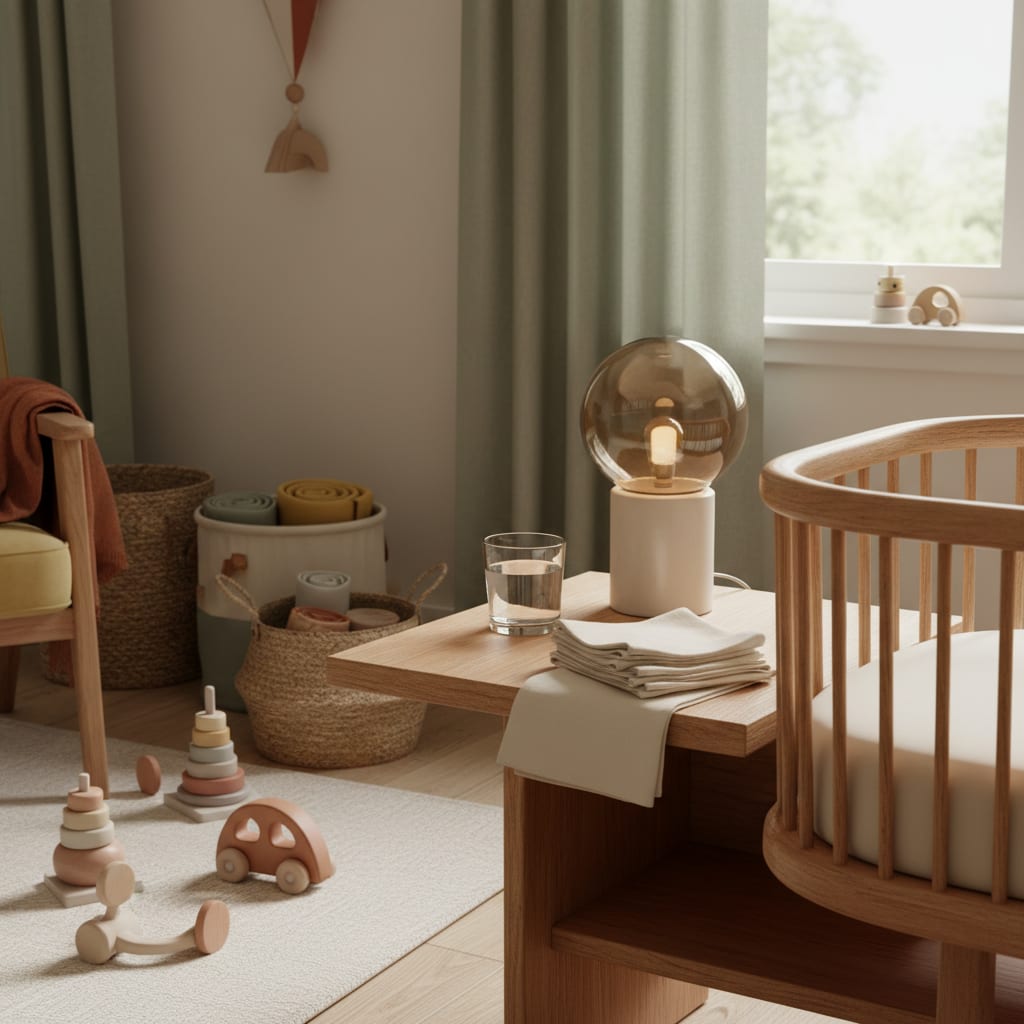
- Baby safe sleep, if there’s a baby. On the back, alone, in an empty crib or bassinet on a firm, flat mattress. That one is never adjusted, by anyone.
As the sitter, follow the sheet even where you’d do it differently. If they sing three songs, sing three. If the night-light is on in their house and off in yours, it’s on. Your job is to make tonight feel like every other night to that child.
A few practical points that make the first swap easier:
- Arrive before bedtime the first time. Have the parent do the first steps with you watching, then take over for books and lights. The Betteroo guide suggests a practice bedtime while the parent is nearby, and a swap is the easiest place to do it.
- Write a two-line handover. What time they fell asleep and anything that happened. Parents coming home at 10pm want to know whether to expect a 2am visitor.
If your own child still needs you in the room to fall asleep, work on that first: our guide for parents who fall asleep putting a toddler to bed covers shrinking the time they need you and handing some nights over.
 Writing a bedtime sheet for the other family?
Betteroo looks at your child's age, wake-up time and naps and suggests wake windows and a bedtime, so the time you write on the sheet is one your child can actually hit.
Take the 2-minute sleep quiz →
Start small, then make it a rhythm
The first swap should be short: a 6:30 to 9:00 dinner, not a wedding that runs past midnight. If it goes well, set a standing rhythm, such as the first Friday for one family and the third Friday for the other. A standing date is easier to protect than one you arrange from scratch every time, the same logic as the rest of a home-day rhythm.
Use the evenings for something you’d otherwise skip. Often that’s a cheap dinner and a walk, and a conversation without anyone asking for water.
When two families become a co-op
Some neighborhoods run babysitting co-ops: several families who trade sitting hours through a shared ledger, so you can earn hours with one family and spend them with another. They give you more flexibility, but they need more organizing, with someone keeping the ledger, a way to request a sitter, and agreed rules everyone has signed up to. Start with one family. If that works for a few months and others ask to join, you’ll already know which rules matter, because you’ll have written them.
FAQ: babysitting swaps
What is a babysitting swap?
Two families take turns watching each other’s kids, usually for an evening, with no money changing hands. Each family keeps track of the hours so the trade stays even.
How do you keep a babysitting swap fair?
Count hours rather than evenings and write them in a shared note. You’re even when the totals match, and cancelled hours roll over.
Should the kids sleep at the sitter’s house?
For bedtime swaps, it’s usually easier for the sitting parent to go to the other family’s home, so the children sleep in their own beds and nobody moves a sleeping child late at night.
What should go on the bedtime sheet?
The order of the bedtime steps, the words and comfort object, the room setup, what to do if the child wakes, emergency contacts and, for a baby, safe-sleep basics: back, alone, empty crib.