A SAHM Summer Rhythm (When Every Day Is Home)
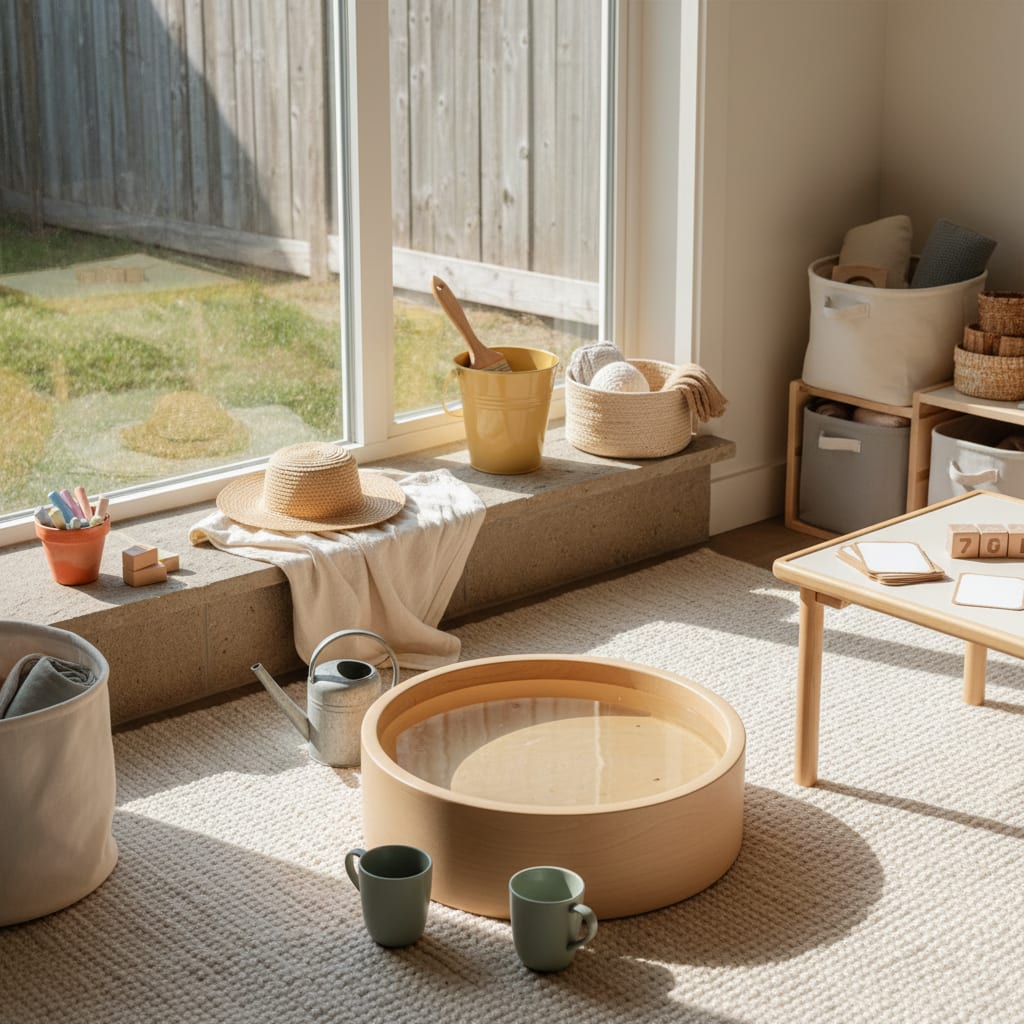
A SAHM summer rhythm flips the day around the heat: outside first thing while the morning is cool, water play as the daily centerpiece, indoors through the hot early-afternoon window (which conveniently is naptime), and back outside after dinner when the yard is bearable again. Same five blocks as the rest of the year — the order just gets re-aimed at the thermometer. Here’s the summer version of our day, what fills each block when every day is a home day, and how to keep June’s fun from being August’s chore.
Summer is a rhythm problem, not an ideas problem
Every June, the internet hands you a hundred summer activity lists, and by mid-July the days still feel shapeless — because the problem was never a shortage of ideas. It’s that summer quietly deletes the year’s structure (storytime’s on break, the routine drifts, it’s too hot to do the usual things at the usual hours) and hands you a three-month stretch where every day is home and none of them have edges.
So the fix is structural: keep the five-block rhythm exactly as-is and re-aim the blocks at the heat. The order never changes; what changes is which block happens where, and that one adjustment gives all ninety days their edges back.
The summer day, block by block
The slow morning goes outside (7:00ish–8:30ish). Milk and breakfast migrate to the porch or the stoop. Early morning is the best hour summer has — cool, quiet, bugs not yet organized — and spending it inside is a waste of the season’s one free gift. Pajamas in the yard are a completely legitimate summer uniform.
The big block is the water block (8:30ish–11:00ish). Water is the summer centerpiece, on rotation so it doesn’t wear out: sprinkler days, bin-washing-station days (soapy tub, toy animals, brushes — the summer edition of the sensory bin rotation), paint-the-fence-with-a-bucket-of-water days, hose-and-mud days. One water thing per morning, not three. Non-negotiables ride along: sunscreen at the breakfast reset before anyone’s wet and slippery, shade breaks, and a drink bottle that lives outside. And the standing rule of toddler water play — you’re within arm’s reach of any water deeper than a puddle, kiddie pool absolutely included, the whole time.
The heat window is the inside window (11:30ish–3:00ish). Lunch, then the nap or quiet time lands exactly where the day is at its worst — call it a design gift. The nap ramp doesn’t change in summer; guard it like always. Kids who dropped the nap ride out the hot window with quiet time and then the calm end of the indoor roster — my sorted-by-block list is in easy toddler activities, and the low-key half of it is built for exactly this stretch.
The afternoon stays soft and shady (3:00ish–5:00ish). Post-nap snack (a popsicle on the step counts as both snack and activity — summer efficiency), then shade-based puttering: sidewalk chalk in the garage’s shadow, the water table under the tree, a books-and-blanket picnic. This is still the low-battery block; August doesn’t change that, it doubles it.
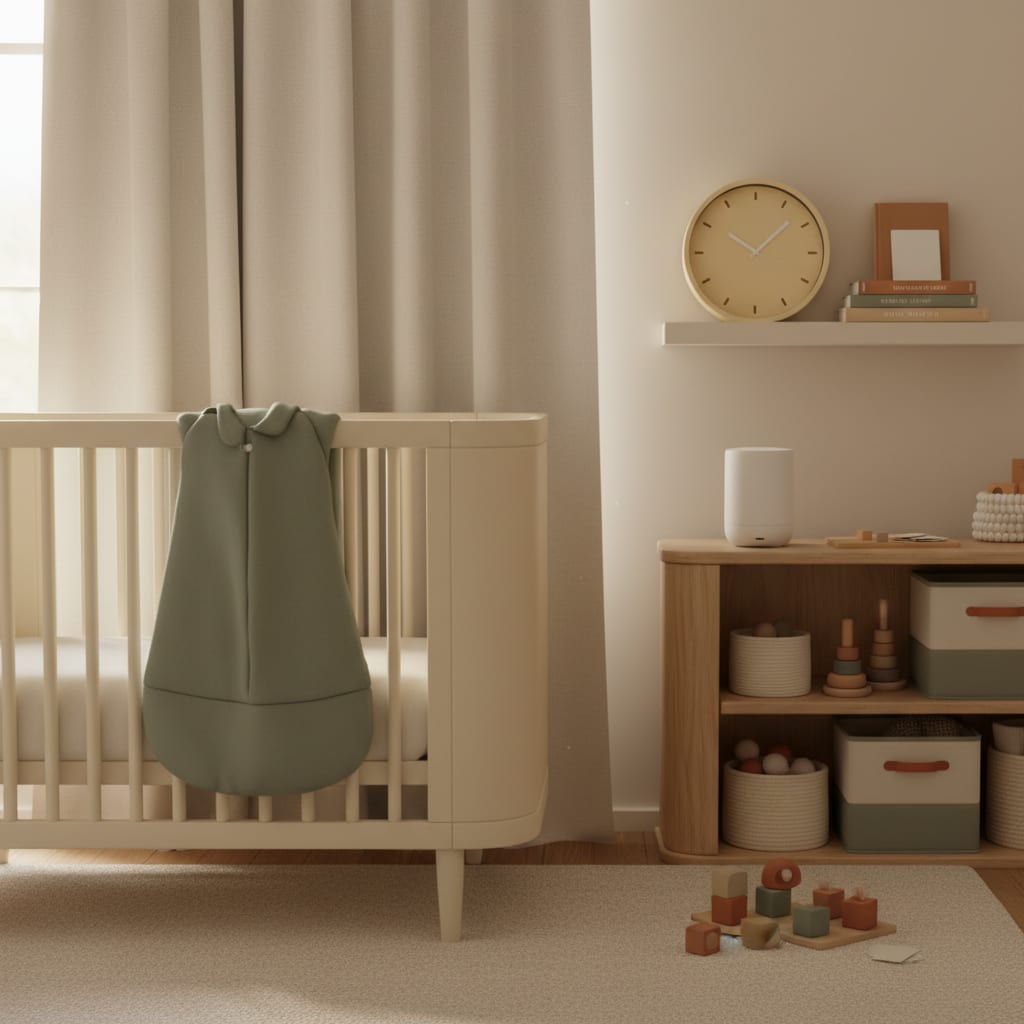
The runway gets a golden-hour bonus (5:00ish–8:00ish). Summer’s other gift: after dinner, the yard is bearable again. Twenty or thirty minutes of evening outside time — catch the dog, water the tomatoes, stroller loop — burns the day’s last energy and makes bedtime land softer. Then the usual chain, maybe fifteen minutes later than the school-year version. Blackout curtains like NICETOWN’s earn their keep in July; a bright 8pm sky is a bedtime opponent, and the routine plus a dark room beats it most nights.
Keeping ninety days of it sustainable
- Run a weekly loop, not daily novelty. Monday sprinkler, Tuesday library (air conditioning is an activity), Wednesday wash-station, Thursday walk-somewhere morning, Friday hose chaos. Toddlers adore the repetition, and you stop inventing summer from scratch every morning at seven.
- Prep the yard once, not the activity daily. A shaded corner with the water table (something like the Step2 Rain Showers Splash Pond), a bin of outside-only toys, chalk in a bucket by the door. When the setup lives outside, the big block starts itself.
- Lower the bar in August on purpose. June-you plans mud kitchens; August-you points the sprinkler at the trampoline and calls it enrichment. Both are correct. The rhythm’s job is to outlast your enthusiasm, and it will.
- Keep one anchor from the school year. Whatever survived summer — the library morning, the Friday grocery outing — keep it. One fixed weekly point keeps the whole loop from floating.
FAQ: summer rhythms at home
What’s a good summer schedule for a toddler at home?
Outside early while it’s cool, water play as the one morning centerpiece, lunch and nap/quiet time through the hot midday window, shade in the late afternoon, and a short evening outside block after dinner. Same block order daily; the heat just decides which blocks are indoors.
How do I fill summer days without spending money?
Water and repetition: sprinkler, wash-station bins, paint-the-fence-with-water, hose and mud, chalk in the shade, library mornings for free air conditioning. A weekly loop of five or six free things, repeated all summer, beats a Pinterest board of one-offs.
Should bedtime move later in summer?
A little is fine — fifteen to thirty minutes, especially with an evening outside block to burn the last energy. What matters is keeping the runway chain identical (dinner, bath, books, bed) and the room genuinely dark; the light sky, not the clock, is the real opponent.
How do I keep the routine from falling apart by August?
Make the rhythm cheaper as the season goes: same block order, lower-effort fillers, one prepped yard corner instead of daily setups, one fixed weekly anchor. Structure that survives August is structure that never depended on your June energy.