Buying Secondhand for Kids: What's Worth It
Buy secondhand anything a child outgrows faster than they can wear it out and that has no hidden safety history: clothes, board books, wooden and open-ended toys, outdoor plastic, high chairs, maternity clothes, sleds and costumes. Buy new anything with a crash or impact history you can’t inspect, an expiration date, or a fit-and-firmness safety standard — car seats, helmets, crib mattresses. That’s the whole rule, and it’s two questions long. The rest of this is where the money actually is, which turns out to be clothes and outdoor gear, and where secondhand quietly stops saving anything at all.
The two-question test
Before buying any used kid item, ask:
- Does it have a history I can’t see? A car seat looks identical before and after a crash. A helmet looks identical after the one impact that used up its foam. Anything whose safety depends on an event you’d have no way of knowing about fails this question.
- Does it expire, or has it been recalled? Car seats carry expiration dates. Standards for sleep products and inclined seats have changed significantly in recent years, which means plenty of items sitting in resale listings were pulled from sale for a reason. Recalls are searchable for free at cpsc.gov — check the model before you drive across town, not after.
Everything that passes both questions is fair game, and that’s most of what kids use.
Buy used with confidence
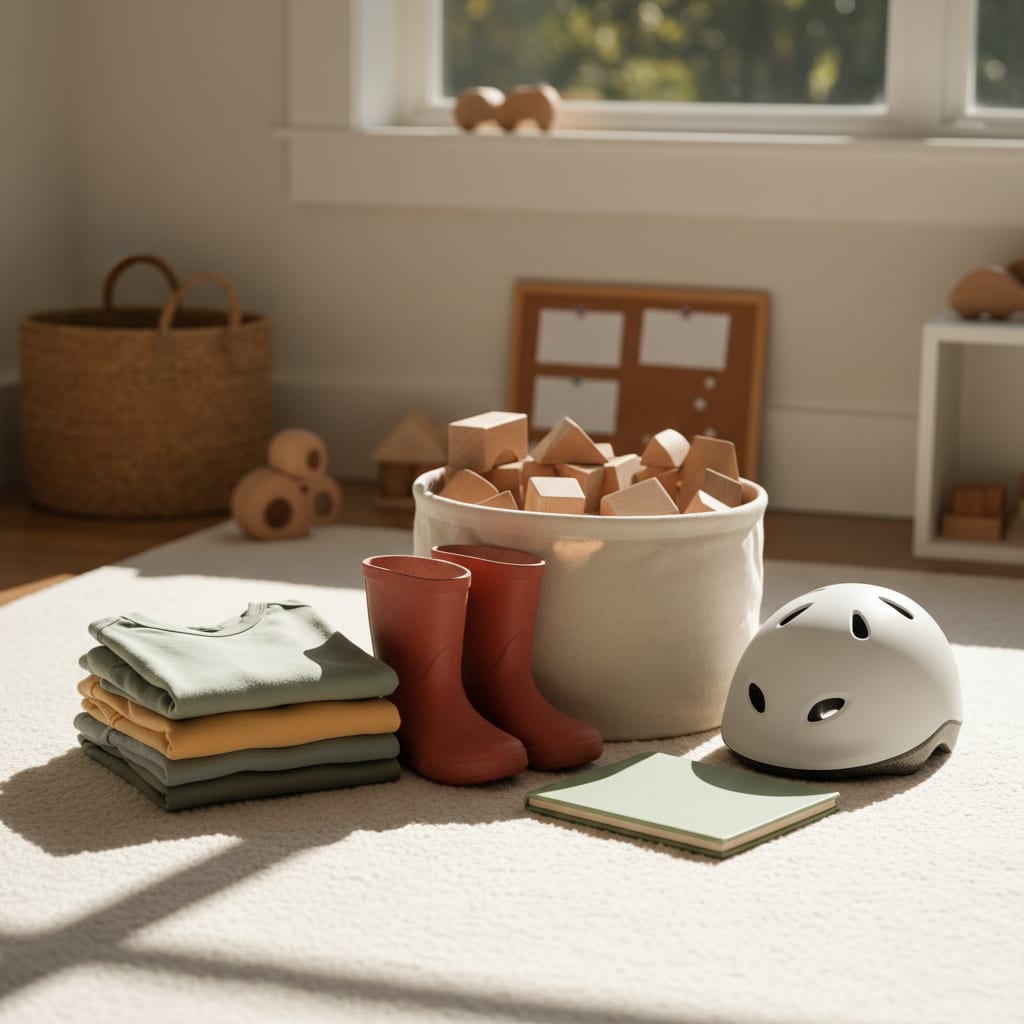
Clothes, especially under size 3. This is where the real money is, and it isn’t close. Toddler clothes are outgrown in weeks, so used ones are frequently near-new. Outerwear is the best category of all — snow pants, coats and boots worn for one Midwest winter typically have four more in them, and they’re the priciest things in a small child’s closet.
Board books and puzzles. Board books were built to survive being chewed; a wipe with a damp cloth and they’re indistinguishable. Check puzzles for a complete count before paying.
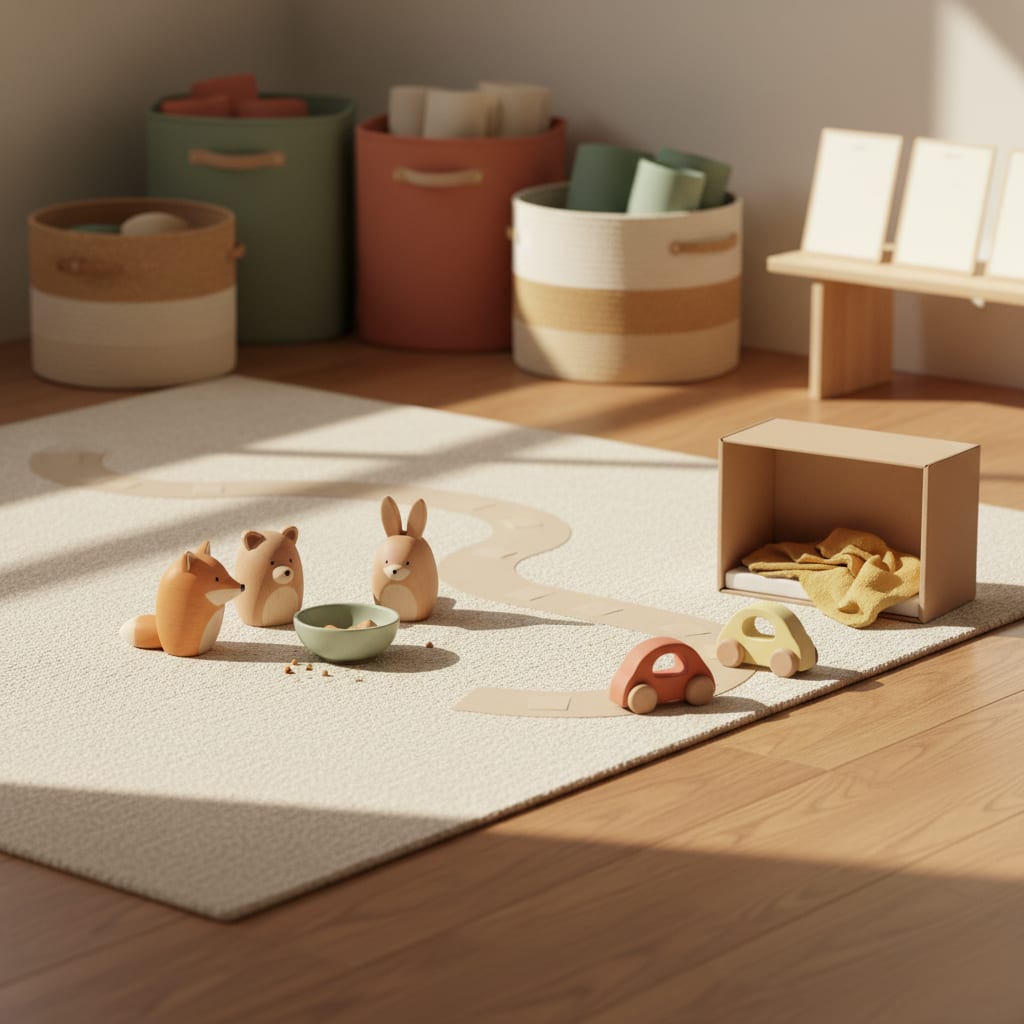
Wooden and open-ended toys. Blocks, magnet tiles, play kitchens, train sets, duplo. These have essentially no wear surface, they hold their value, and they’re absurdly overpriced new. A used bin of blocks is the highest-return purchase in this entire category, particularly if you’re already running a rotation — rotation means you need more total toys and fewer of them in play at once, which is exactly the shape secondhand buying is good at.
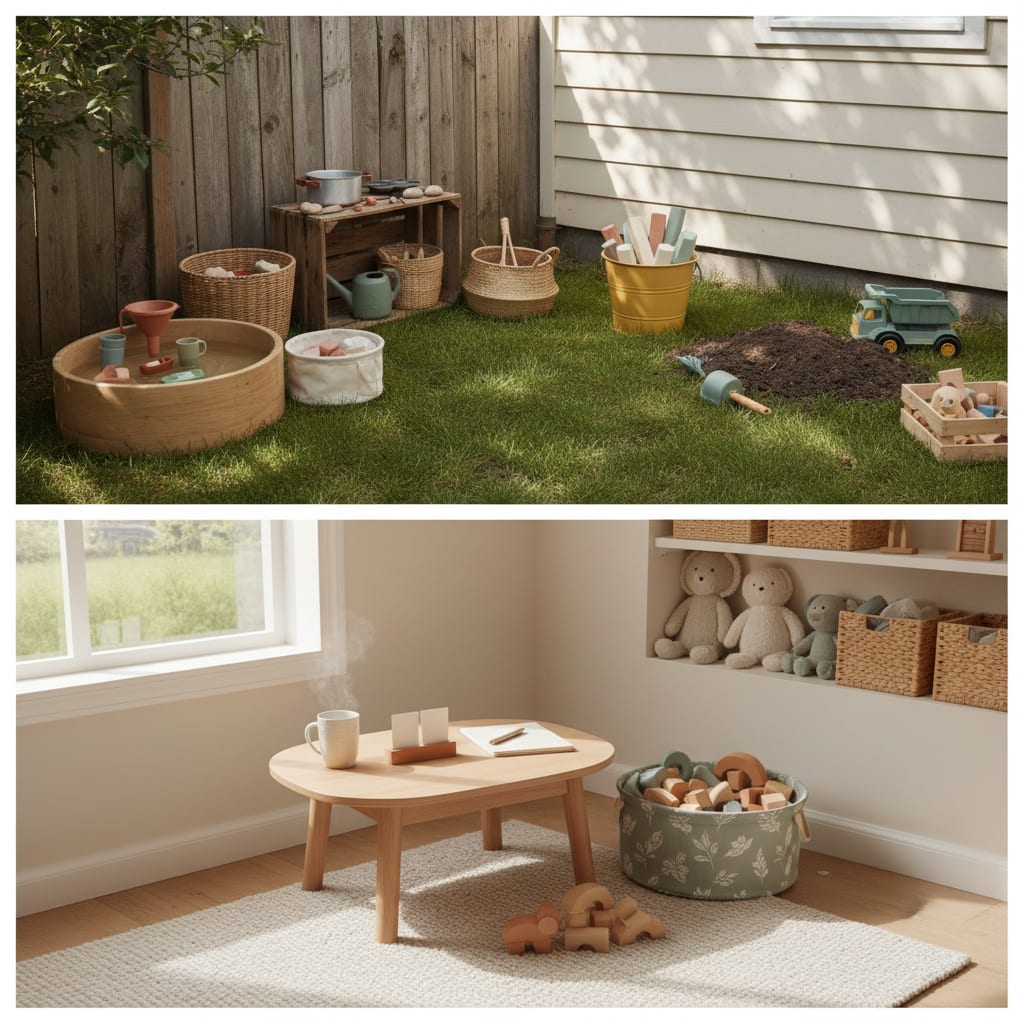
Outdoor plastic. Climbers, water tables, slides, ride-ons, sand tables. They’re sun-faded and structurally fine, they’re miserable to transport (which is why they’re cheap), and they’d be sun-faded within a season anyway.
High chairs, gates, play mats. Fine used, with a two-minute inspection: all hardware present, no cracks at stress points, straps intact and functional, and a quick recall check. Wash the straps.
Maternity clothes, costumes, sleds, holiday things. Anything worn a handful of times by design.
Bikes and trikes. Used, yes — with new brakes if the brakes are questionable, and a new helmet regardless.
Buy new, without debating it
Car seats. The single hard no. A seat that’s been in a crash can be compromised in ways that don’t show, they carry expiration dates because the plastic degrades, and used listings rarely come with an honest history or the original manual. Federal guidance on seat selection and use lives at nhtsa.gov, and a solid new infant seat — the Graco SnugRide SnugFit 35 DLX is a common, widely available example — costs less than most strollers. The only used seat I’d consider is one handed down from a close family member whose entire history you personally know, and even then, check the expiration date stamped on the shell.
Helmets. Foam helmets are designed to absorb one significant impact and then be replaced. A used helmet may already have spent it, invisibly. New toddler helmets are inexpensive — something like the Joovy Noodle is a standard, adjustable, CPSC-compliant option — and the used version saves maybe fifteen dollars.
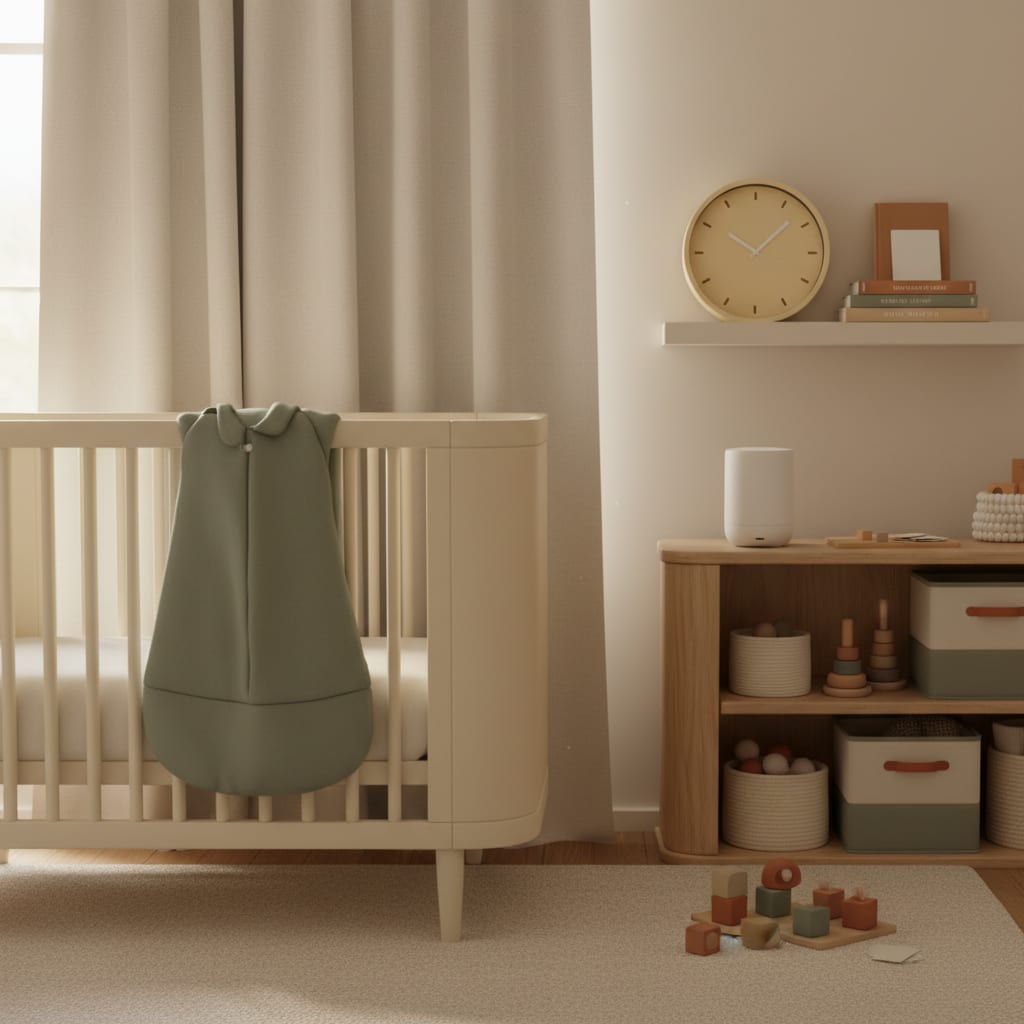
Crib mattresses. Firmness and a tight fit to the crib frame are safe-sleep requirements, and a used mattress may be softened, sagging, or sized for a different frame. Buy this one new; a used crib frame is usually fine if it’s current-standard and un-recalled.
Anything recalled, and anything with a strap or buckle you can’t verify. If the harness on a used carrier or bouncer looks worn, walk away. Straps are the part that matters.
Where to actually find it
- Seasonal kids’ consignment sales. Twice a year in most metro areas, sorted by size and priced far below retail — the best single source for clothes and outdoor gear. First day for selection, last day for half-price.
- Buy Nothing groups and hand-me-down circles. Free, hyperlocal, and the most efficient thing in this post. Receiving works much better if you’re also constantly giving, which you will be.
- Facebook Marketplace. Best for large plastic and furniture that nobody wants to move. Search by neighborhood, filter aggressively, and set a firm limit on how far you’ll drive.
- Thrift stores. Erratic for clothes, excellent for board books and puzzles.
- Online resale. Convenient, curated, and the smallest discount of the list — worth it for a specific need, not for volume.
The hidden costs that eat the savings
- The drive. Twenty-five minutes each way to save eight dollars, with two kids in car seats and a nap window closing, is not a saving. Set a distance limit before you leave.
- The clutter tax. A bargain you don’t need is a full-price problem: it takes space, and every extra toy in circulation makes the room harder to reset. Cheap junk bought because it was cheap is the most common way secondhand shopping stops being frugal.
- Sizing ahead too far. Buying size 5T at a consignment sale for a two-year-old means storing it for three years and being wrong about the season. One size ahead is a plan; three is a storage unit.
- The stuff nobody wants back. Before buying, ask whether you’ll resell or pass it on. Things that don’t move — worn plastic, incomplete sets, off-brand anything — sit in the basement until you pay to get rid of them.
- Time. Consignment sales and Marketplace runs cost hours — a fun outing on a good week, another errand on a hard one. Pricing your own time honestly keeps this a system rather than a hobby, the same lens the rest of the one-income budget gets looked at through.
The habit that makes it work
One good sale twice a year beats constant browsing. Go into the fall sale with a written list of what’s actually needed for the coming season — sizes, quantities, the coat, the boots — and buy that list. Sell or pass on what’s been outgrown in the same trip. Handled that way, secondhand is one of the least painful savings in a household on one income: it doesn’t lower anyone’s standard of living, it’s invisible to the kids, and it frees money for the things you actually chose one income for.
FAQ: buying secondhand kids’ items
Is it safe to buy a used car seat?
Not unless you personally know its full history — and even then, check the expiration date on the shell. A crash-involved seat can be damaged in ways that aren’t visible, and resale listings almost never come with a reliable account of what the seat has been through.
What kids’ items are best to buy secondhand?
Clothes under about size 3, winter outerwear, board books, wooden and open-ended toys, large outdoor plastic, and maternity clothes. The common feature is that they’re outgrown long before they wear out, so used ones are often close to new.
Where can I check whether a used baby item was recalled?
Search the model at cpsc.gov before you buy. Safety standards for sleep products and inclined seats have changed meaningfully in recent years, and older items still circulate widely in resale listings.
How much can secondhand actually save a family?
Enough to matter, though the honest answer is that it depends entirely on your local resale scene and how disciplined you are about buying only what’s on the list. Clothes and outdoor gear are where the savings concentrate; buying extra things because they were cheap is where the savings go back out again.