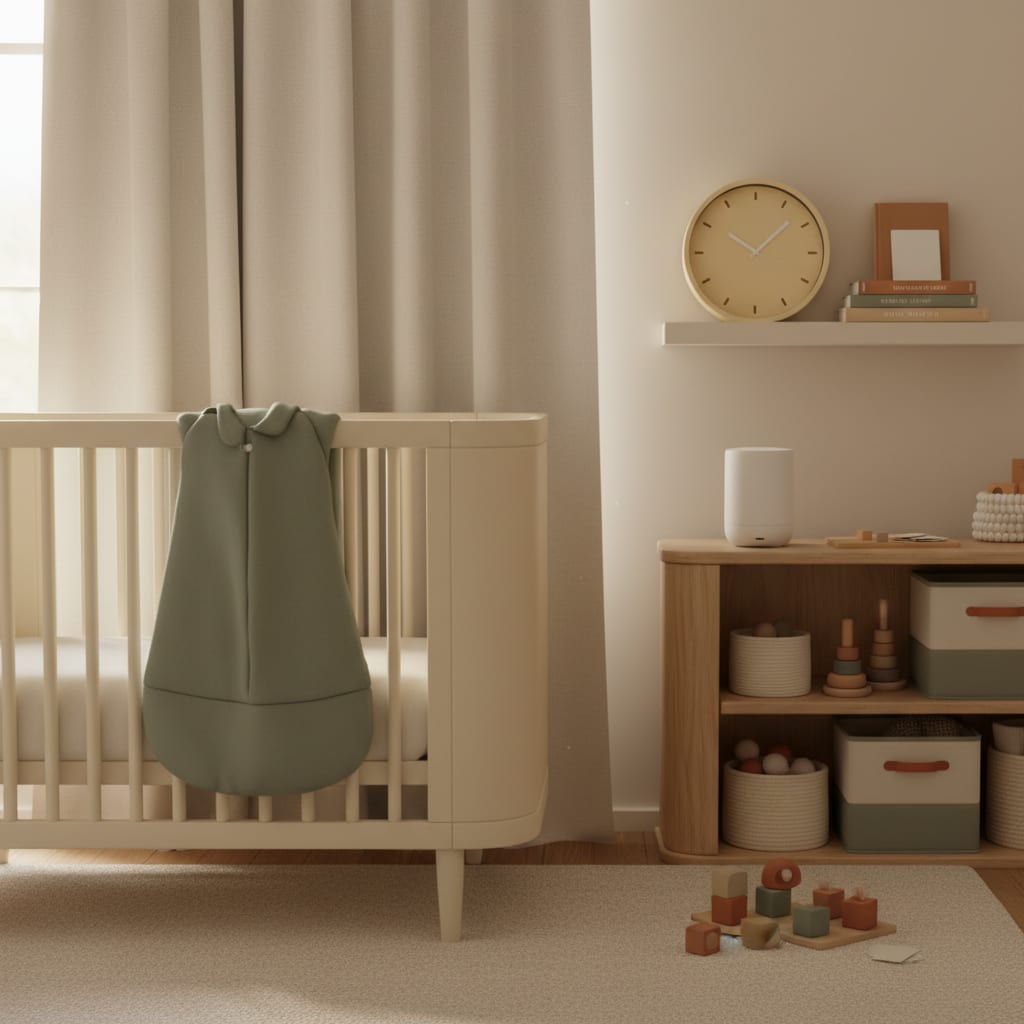
Quiet Time: What to Do When Naps End
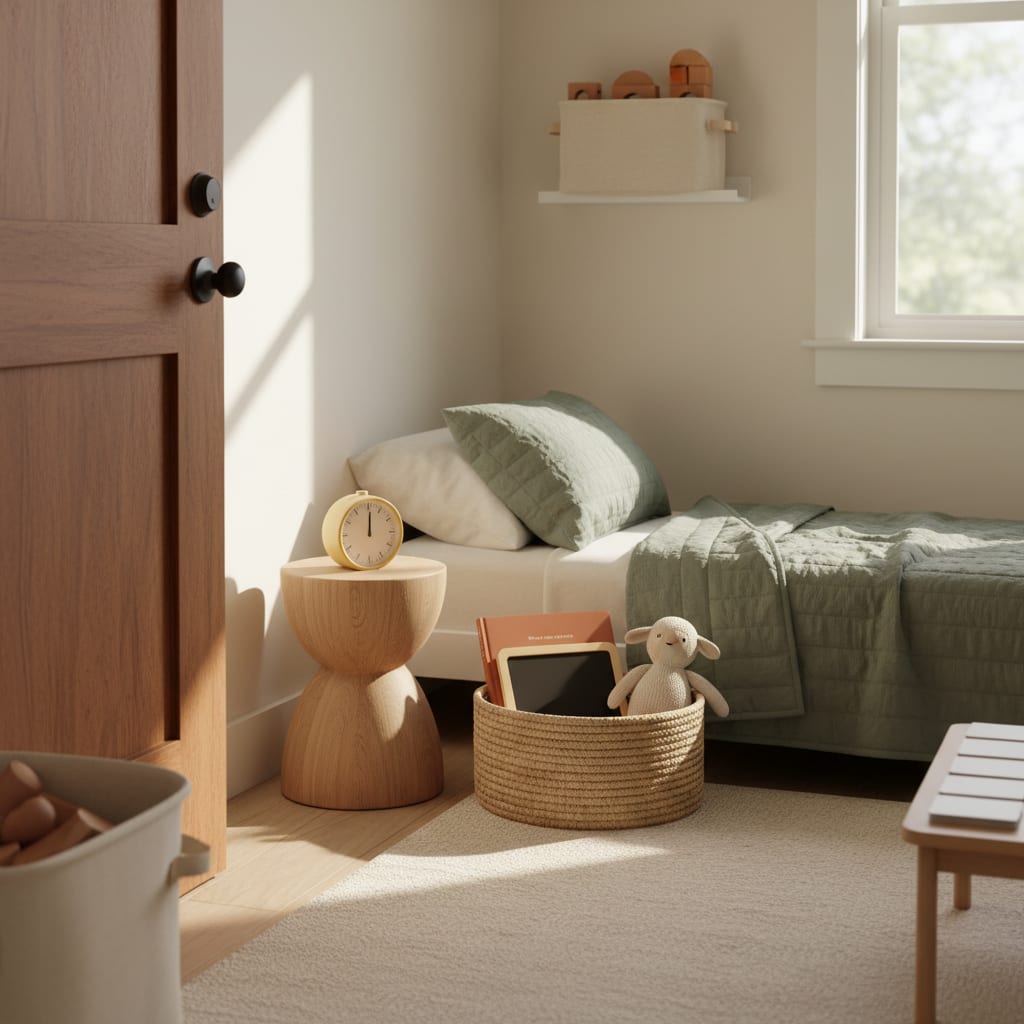
When naps end, you replace the sleep, not the block: quiet time is a daily 45–60 minute stretch where your child rests alone in their room with books and calm toys, in the exact slot the nap used to fill. The day keeps its midday anchor, the kid still gets a genuine downshift, and you still get the one block that’s yours. It’s a taught skill — most three-ish-year-olds can learn it in about two weeks — and teaching it is the single best thing you can do for a rhythm that just lost its load-bearing nap. Here’s when to switch, and exactly how.
First: is the nap actually ending?
This matters, because dropping a nap that isn’t done is how you buy yourself a month of feral 4pms. Naps typically end sometime between three and four-ish, but the exit is messy — weeks of naps-some-days that look identical to a sleep regression, a too-late bedtime, or an overtired stretch.
The real signs the nap is genuinely dying: fighting the nap and fine without it — happy through the afternoon, falling asleep easily at a normal bedtime on no-nap days. The fake signs: fighting the nap but melting down by five, or napping fine but suddenly taking an hour to fall asleep at night (try capping the nap before killing it). If you’re honestly not sure which you’re looking at, this is exactly the call a personalized sleep plan is for — Betteroo tracks what’s age-appropriate for your kid and adjusts the day’s plan as naps consolidate and fade, so “is this the end of the nap or just a bad week?” gets an actual answer instead of a coin flip. We ran the wobbly months on it and it kept us from dropping the nap a season early.
During the naps-some-days phase, run the ramp as usual and let quiet time be the landing spot: same routine, and whatever happens in the room — sleep or rest — counts. My daughter is in exactly this phase; our day at three shows how the coin-flip midday works in practice.
Why you keep the block
Because the block was never just about their sleep — it’s the day’s hinge. The whole nap-anchored rhythm survives the end of naps only if the midday anchor survives, and it can: same slot, same ramp, new name. Your kid still needs the downshift (a three-year-old who’s “done napping” is not done needing rest — ask anyone who’s watched one at 4:30). And you still need the intermission. A home day with zero breaks in it isn’t sustainable for anybody, and quiet time is how the break outlives the nap.
Setting up the room
Quiet time happens in their room, and the setup is most of the battle:
- The basket. A dedicated quiet-time basket that only appears at quiet time: books, a few soft animals, maybe a magnetic drawing pad like the Magna Doodle or a simple puzzle. Calm things only — nothing with sirens, nothing that needs you. Swap one item weekly and the basket stays interesting for months.
- The timer. Non-negotiable, and it’s for them: a visual timer like the Time Timer or a wake-up light like the LittleHippo Mella they can see means the end of quiet time is the timer’s news, not yours. You cannot be negotiated with if you’re not the one deciding.
- The room, boring-proofed. Whatever they can reach, they will explore. Dresser drawers, the wipes stash, the diaper cream (once — legendary) — do a five-minute sweep at their eye level before day one.
- Door ajar or gate, your call. Some kids stay put on trust; some need a gate for the first month. Neither is a moral failing.
The two-week training plan
- Days 1–3: ten minutes. Run the full nap ramp — lunch, potty, books — then: “now it’s quiet time; play with your basket until the timer sings.” Set it for ten minutes. Return the second it goes off, cheerfully, like they’ve done something great. They have.
- Days 4–7: stretch to twenty-ish. Add five-ish minutes a day while it’s going well. If they come out early, walk them back with one boring sentence — “it’s still quiet time” — as many times as it takes. Boring is the technique; a big reaction is the reward you’re trying not to give.
- Week two: build to forty-five. Most kids can hold forty-five to sixty minutes by the end of week two. Cement the anchors: same start cue, same basket, same timer, every single day, weekends included.
- Forever after: defend it like a nap. Don’t book across it, don’t skip it on busy days, don’t let it dissolve into TV time. It’s still the load-bearing block — it just changed jobs.
What quiet time is not
It’s not a punishment (never send them to quiet time for something), it’s not screen time in a bedroom, and it’s not a guarantee of silence — you’ll hear narration, singing, the occasional full puppet show. All fine. The bar is “resting alone in their room,” not “monastery.” Rotating a few genuinely engaging solo activities through the basket helps the long haul; my sorted-by-block list of low-setup options is in easy toddler activities, and the calm end of it belongs in that basket.
FAQ: quiet time after naps end
At what age do kids stop napping?
Commonly somewhere between three and four, with a wide normal range on both sides — and the exit takes months, not a week. Expect a naps-some-days phase, and keep running the midday block through all of it.
How long should quiet time be?
Forty-five to sixty minutes is the sweet spot for most kids who’ve dropped the nap — long enough to genuinely rest and give the day its hinge, short enough to succeed daily. Start at ten minutes and build up; don’t open at an hour.
What if my child just won’t stay in their room?
Walk them back calmly with the same boring sentence, every time, and shrink the duration until they can succeed at it. Ten good minutes beats forty contested ones. A gate at the door for the first weeks is a legitimate tool, not a defeat.
Does my child still need quiet time if they’re happy all afternoon?
Yes — maybe not for their mood, but for the day’s structure and for you. The midday block is the rhythm’s hinge and the only intermission a home day has. Keep it even on the easy weeks; you’ll want it firmly installed for the hard ones.