A Simple Feelings Activity to Try Together With Your Preschooler
Disclosure: This free resource is part of a no-payment collaboration with Gentle Steps Kit. The creator supplied a private review copy and the sample below. Gentle Steps Kit will feature this article on its website and share it through its social channels. We reviewed the materials; we have not tested the activity with children.
A toy wants the blocks another toy is using. What happens next? That small pretend problem is enough to start a conversation about feelings, waiting and asking for help. You do not need a classroom setup or a long lesson. One soft toy, a few suitable playthings and a willing grown-up can give the story somewhere to begin.
Anthony Bridges of Gentle Steps Kit created Bear wants a turn, a one-page activity for supervised play with children around ages 3–5. The printable offers a short story, possible next steps and space to draw an ending. It is educational play, not therapy or a test of your child’s development.
Download the free Bear wants a turn printable
Download the free Bear wants a turn activity (PDF)
Free for use in your own household or classroom. Keep creator credit and product link intact. No resale or public reposting. The publisher has separate written hosting permission.
The download is one page. Keep the creator credit and link intact. The full paid workbook is separate and is not included in this free download.
Begin when there is room for play
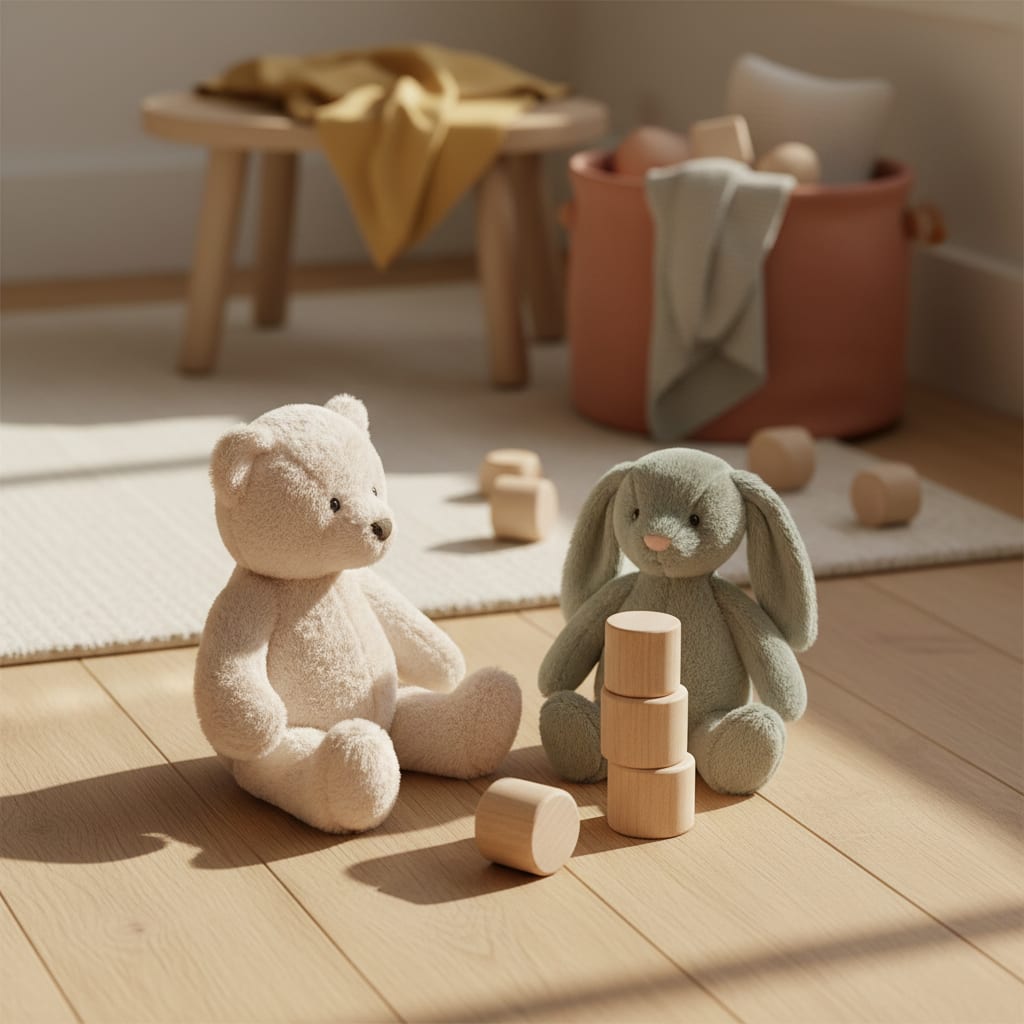
Choose a calm moment rather than introducing the sheet in the middle of a real disagreement. Set out a soft toy and age-appropriate toys or blocks. Keep it simple enough that you can put everything away easily if your child wants to do something else.
You can tell the story yourself: Bunny is building, and Bear would like a turn. The toys do not have to look like a bunny and a bear. The names simply help everyone follow who is doing what.
Offer one question, then leave some space
Invite your child to imagine how Bear might feel. There is no single required answer. Bear could be disappointed, impatient, curious about the building, or something else your child suggests.
A child can answer by speaking, pointing, moving the toy or drawing. Watching is also an option. If a question interrupts the play, model your own guess and keep the story going. You do not need to turn the sheet into a quiz or ask your child to explain a recent personal upset.
Try a next step without rushing the other toy
Let Bear ask for a turn when Bunny finishes, find another activity with an adult, or offer to build together if Bunny wants company. Wanting a toy does not mean the toy already using it must immediately give it up.
You can act out one option and see whether your child wants to change it. Perhaps Bear builds a nearby garage, or an adult helps Bear choose something else. The point is to explore possibilities together, not to produce a perfect response.
Let the ending belong to your child
The blank area on the page can hold a drawing, an adult’s note about the child’s story, or nothing at all. A short pretend scene still counts as shared play without a completed worksheet.
For a simpler version, use one toy and narrate the scene yourself. If your child enjoys more detail, let them introduce another character or invent a different problem. Stop when interest fades and return to ordinary play.
About the creator and full bundle
Little Steps, Strong Feelings from Gentle Steps Kit is a separate printable bundle with a parent guide and activity workbook. This dedicated sample stands alone, so you do not need to buy the bundle to use it. Adult supervision and child-safe materials are needed; the activity does not promise particular behavioral results.