How to Become a UGC Creator (Honest Mom Edition)
To become a UGC creator, you make a small portfolio of short product videos and photos using things you already own, then pitch brands directly or apply for gigs through a creator marketplace. UGC (user-generated content) creators are paid to make content that a brand posts on its own ads, website or social accounts, so you don’t need a following. The honest parts nobody selling a course mentions: rates are negotiated and uneven, a lot of early gigs pay partly in product, and filming needs a quiet house and good light, which on a home day with small kids means one specific block. You don’t need a paid course to start.
What a UGC creator actually does
The work is closer to freelance product photography than to being an influencer. A brand sends you a product (or you already own it), gives you a brief, and you deliver short clips or photos: an unboxing, a product in use, a talking-to-camera testimonial, a “three things I like about this” video. The brand owns or licenses the result and runs it wherever it likes.
Trend, a creator marketplace, describes its gigs as “product photography, lifestyle photos, product in action videos, unboxing videos, testimonial videos” and answers the two questions most parents ask first:
- Do you need followers? “No. You might not even have social media and that’s totally fine.”
- Do you have to post it? “No. All you have to do is upload the content to the Trend platform.”
That’s the key difference from influencer work. You’re selling the content, not your audience.
Why it suits some home days and not others
The appeal is obvious. Kids’ products, household goods, snacks, toys and baby gear are all things a parent at home already uses on camera-ready surfaces every day.
The constraint is just as obvious once you try it. A testimonial video needs about ten quiet minutes and decent light. That’s naptime if the nap lines up with good daylight, or the early morning before anyone else is up. A screaming toddler in the background doesn’t sink a laundry-detergent clip, but it does sink most voiceovers.
Sort the work by block the same way as everything else in the naptime hustle:
- Naptime, in daylight: filming and photographing.
- After bedtime: editing, writing captions, pitching brands, invoicing.
- With the kids around: unboxing-style b-roll where a small hand in frame is fine, and scouting the corners of your house that photograph well.
A word on your own children. Some briefs ask for “real family” footage. Whether your kids appear in a brand’s paid ads is your call, but once a clip is licensed it runs wherever the brand puts it, for as long as the contract says. You can keep children to hands only, or out of frame entirely, and offer that as your format from the start.
Build a portfolio from what you already own
Brands hire from examples, so the first job is three to five sample pieces, made with products you already have in the house.
- Pick a lane you live in. Toddler snacks, kids’ room storage, cleaning products, baby gear. A tight niche makes you easier to book than “I can do anything.”
- Make three formats. A 15 to 30 second unboxing or first-impression clip, a product-in-use clip, and a short talking testimonial. Those three cover most briefs.
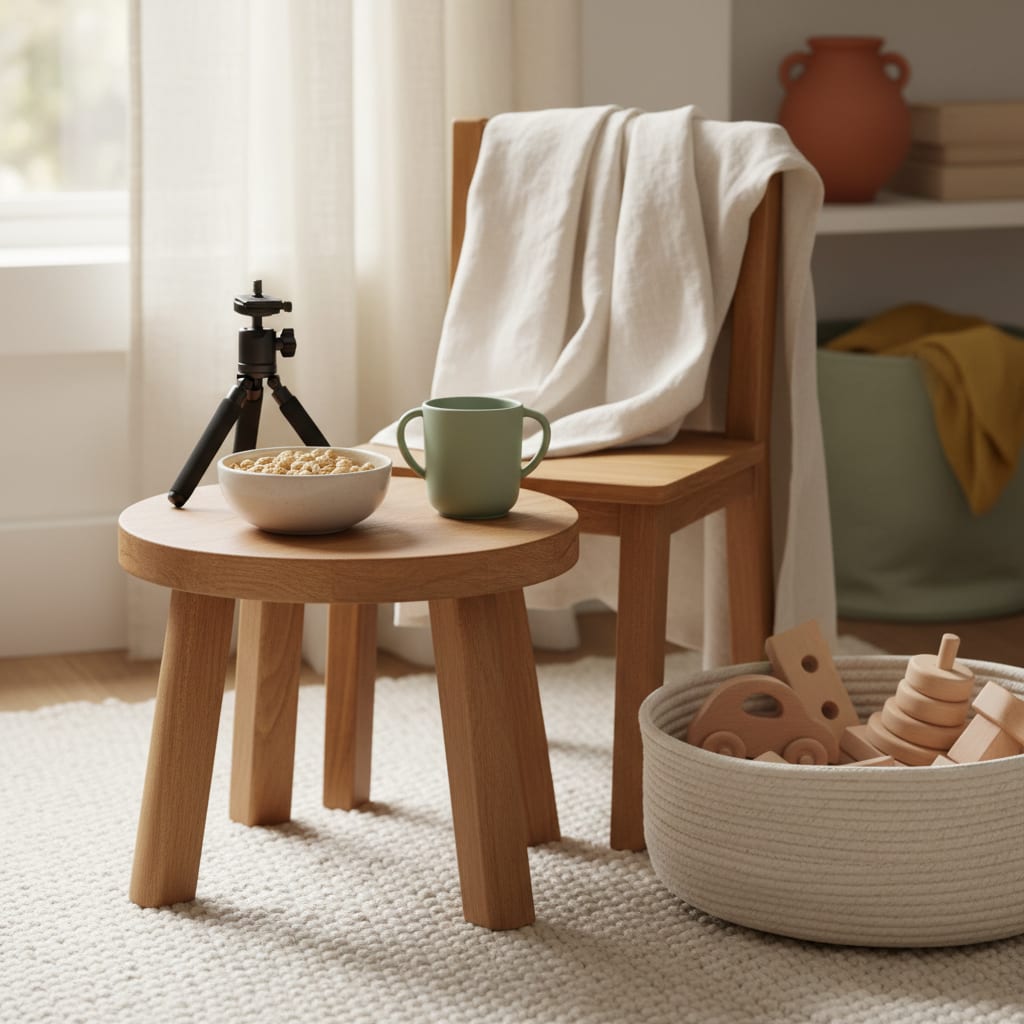
- Shoot vertically, by a window, on your phone. A phone tripod like the UBeesize with a remote frees your hands and keeps the shot steady, which matters more than any lighting kit.
- Host them simply. A free link-in-bio page or a shared folder with a one-paragraph intro is enough for a pitch.
Keep the first round small and finished. Five clean samples beat twenty half-edited ones.
Finding paid work
There are two routes, and most creators end up using both.
Creator marketplaces. Brands post briefs and creators apply. Trend’s creator page (loaded October 7, 2026) says joining is free (“Trend is 100% free for creators”), that it’s currently for iPhone and US-based users only, and that payment goes to your PayPal “as soon as your content is approved by the brands.” Its own answer to “how much will I earn?” is “Some creators earn hundreds in a month, others thousands.” That’s the platform describing its best cases, not a forecast. Read it as “it varies a lot”, which is true of every marketplace.
Pitching brands directly. Small brands, especially ones selling kids’ and home products, may not have the budget for an agency but still run ads that need fresh content. A short email with your three samples, one idea specific to their product and a clear price is the whole pitch. Expect most pitches to go unanswered. That’s normal, not a sign the idea is wrong.
Rates, rights and getting paid
Rates are negotiated, and they’re uneven. There’s no standard price list, and anyone quoting you one confident range is guessing or selling something. Price per deliverable (per video, per photo set), and set a floor based on your own time: shooting, editing and revisions together, divided into the fee, should come out to an hourly rate you’d accept for any other freelance work.
Usage rights are part of the price. A clip a brand uses once on its website is worth less than one it runs as a paid ad for a year. Your agreement should say where the content can be used, for how long, and whether the brand can edit it.
Free product is income too. Trend’s own page pitches “cash & products”, and some gigs pay partly or entirely in product. The IRS gig economy tax page says income from side work is taxable even when it’s “paid in any form, including cash, property, goods, or virtual currency.” Keep a simple record of what you received and what it was worth.
If you post on your own accounts, disclose. Pure UGC that you only hand to the brand doesn’t involve your followers. But if you also post about a brand that paid you or sent you free product, the FTC’s guide for social media creators, Disclosures 101, says to disclose it even if you weren’t asked to mention that product, and to put the disclosure in the video itself, not only in the caption.
The course trap
The search results for this topic are full of UGC courses, and that’s no accident. Selling the dream is more reliable income than making the content.
You don’t need one. The skills are filming steadily, lighting by a window, editing a 20-second clip on your phone and writing a short pitch, and all of them improve faster by making ten samples than by watching ten modules. The FTC’s general rule for job offers applies here too: honest work doesn’t ask you to pay to get the job. Be wary of any “agency” that wants an upfront fee to “connect you with brands.”
If you’d like a broader map of flexible work before committing to this one, freelancing as a SAHM and the side hustle roundup cover the other options that fit the same blocks.
FAQ: becoming a UGC creator
Do you need followers to be a UGC creator?
No. UGC creators sell content for brands to post on their own channels. Creator marketplaces like Trend state that you don’t need followers or even social media accounts.
How much do UGC creators make?
It varies widely and is negotiated per project, and some gigs pay partly in product. Set your price per deliverable and include usage rights, rather than relying on any single published range.
Can I be a UGC creator without showing my face or my kids?
Yes. Hands-only product demos, flat lays and voiceover clips are common UGC formats. Whether your children appear is your decision, and many creators keep them out of frame.
Do I need a course to become a UGC creator?
No. A phone, window light, a tripod and three to five sample videos are enough to start pitching. Be cautious of anyone charging a fee to find you brand deals.