30 Minute Naps: Why They Happen and the Rhythm Fix
A 30 minute nap is almost always one sleep cycle: babies and young toddlers cycle through sleep in roughly 30-to-45-minute loops, and a kid who hasn’t learned to link cycles surfaces at the end of the first one and calls it a nap. The usual culprits behind the not-linking are timing — wake windows that are a little off in either direction — plus a too-interesting wake-up environment and, sometimes, just the age they’re at. The fixes are rhythm-level: tune the windows, ramp into the nap the same way every time, and protect the resettle. Here’s the whole playbook, plus what to do with the too-short break in the meantime.
Why naps keep ending at 30 minutes
At the end of a sleep cycle, everyone — you included — surfaces briefly. Adults resettle without noticing. A baby or toddler who can’t yet link cycles wakes fully instead, and because the first cycle runs somewhere around the half-hour mark, you get the eerily consistent 30-minute nap. The consistency is actually the tell: a nap that ends at a random time is usually noise; a nap that ends at thirty minutes on the dot, every day, is a cycle break.
What makes the first surfacing a full wake-up, most of the time:
- Undertired. The wake window before the nap was too short — there wasn’t enough sleep pressure banked to carry them over the hump into cycle two.
- Overtired. The window ran too long, cortisol crept in, and wired-tired sleep is shallow, jagged, and prone to breaking at the seam. Maddeningly, both directions produce the same short nap.
- The wake-up trap. They surface, and the room votes for waking: light through the curtain, silence that lets the garbage truck star, a parent who swoops at the first squawk. Surfacing becomes waking becomes up-for-the-day.
- The age they’re at. Short naps are developmentally common in younger babies, and nap transitions (three-to-two, two-to-one) temporarily wreck lengths for older ones. Some short-nap seasons are for riding out, not fixing.
The rhythm fixes
Fix 1: tune the wake windows — this is most of it. The window before the nap is the main lever, and it moves constantly: the gap that produces a beautiful nap at seven months undertires the same kid at ten. If you’re troubleshooting by hand, nudge the pre-nap window by ten or fifteen minutes in one direction, hold it for three or four days, and watch what the nap does before trying the other direction — one variable at a time, like any decent experiment.
This is honestly the part I outsourced. Guess-and-check works, but it’s slow, and the target drifts as they grow. Betteroo builds the day’s nap windows from your kid’s age and actual sleep history and keeps adjusting as they grow — so instead of running week-long experiments on a moving target, you get today’s windows handed to you. It’s a tool, not magic; short-nap seasons still happen. What it removes is the guessing, and the guessing was the part eating me alive.
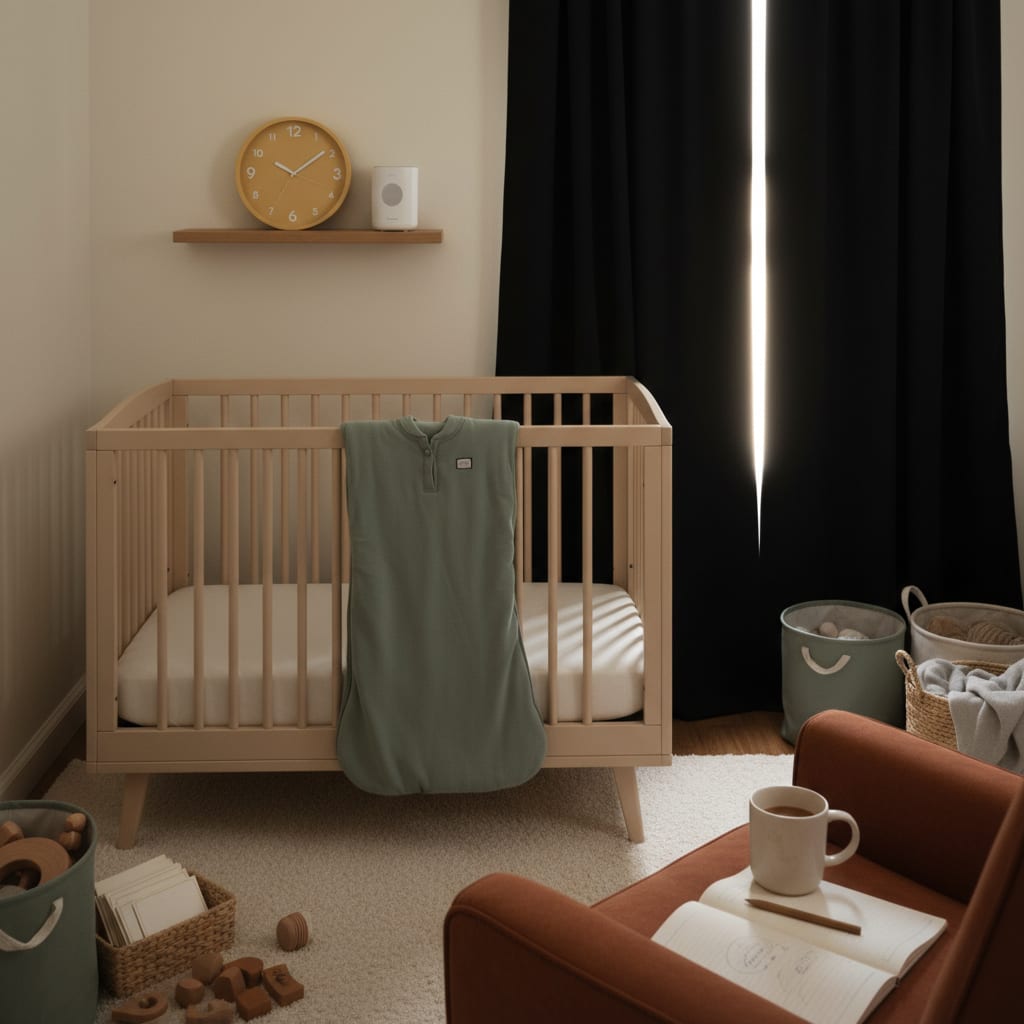
Fix 2: ramp in the same way every time. Naps that start from a calm, boring, predictable ramp — same order of events, dark room, sleep sack, white noise — start deeper. Naps that start from a hard stop mid-play start shallow and break easier. The ramp is an event-chain, not a time: lunch, books, song, crib. Same architecture as everything else in a nap-anchored day.
Fix 3: make the room vote for sleep at the resettle. Genuinely dark (the surfacing moment is where the blackout curtain earns its keep), white noise running the whole nap, boring enough that a groggy kid has nothing to wake up for.
Fix 4: pause before you rescue. The end-of-cycle squawk is not always a wake-up. Give it a few unhurried minutes before going in — some kids grumble their way into cycle two if nobody confirms the wake-up. If a crib-safe kid is calm, letting the quiet hour run its course sometimes turns a 30-minute nap into a 30-plus-20.
None of this makes every nap long. It moves the average, which is what a rhythm needs.
Meanwhile: running a day on short naps
The nap block is your break, and a 30-minute break needs different handling than a 90-minute one — pretending otherwise is how the day curdles.
Pre-decide the one thing. Deciding what to do with the break during the break spends half of it. Before the nap starts, pick the single thing that happens if it’s short: sit down, eat actual food, fifteen minutes of the naptime one-thing — and do it first, not after a warm-up chore. Plan A/Plan B helps: Plan A if she’s up at thirty, Plan B if it stretches.
Don’t build the day’s load-bearing tasks on the nap. In a short-nap season, anything essential moves to the morning block or the evening; the nap carries only bonuses. A rhythm that collapses when the nap is short isn’t a rhythm, it’s a bet.
Consider the afternoon patch. A short first nap sometimes needs a bridge — a stroller or car catnap late afternoon — to make bedtime civil. Temporary tool, not a forever pattern.
And if the short naps belong to a two-year-old-plus who’s fine all afternoon on them, you may be looking at the nap winding down rather than breaking — that’s a different transition, covered in quiet time when naps end.

FAQ: 30 minute naps
Why does my baby only nap for 30 minutes?
Because a sleep cycle runs roughly 30 to 45 minutes, and your baby is waking at the first cycle’s end instead of linking into the next one. The most common causes are wake windows that are slightly off (either direction), a wake-up-friendly room, and plain developmental stage.
Will my baby outgrow 30 minute naps?
Very often, yes — cycle-linking matures with age, and many chronic catnappers consolidate on their own. But timing and environment fixes usually speed it up, and through nap transitions expect temporary short-nap relapses even after it’s solved.
Should I get my baby up after a 30 minute nap?
Not immediately, if they’re safe and not upset. Pause a few minutes; grumbling sometimes resolves into a second cycle. Many families run a consistent “nap hour” — the block is the block, and a calm kid can finish it quietly — which also protects your rhythm’s shape.
How do I fix short naps fast?
Work the pre-nap wake window first — it’s the biggest lever — then the ramp and the room. Change one thing at a time and give each change a few days. An age-based plan that sets the windows for you, like Betteroo, shortcuts the experimenting; nothing honest promises overnight results.